
Quantitative Milestones and Strategic Sustainability: A Technical Commentary on 65 Years of China-Laos Relations
The 65th anniversary of China-Laos diplomatic relations, marked by the exchange of congratulations between President Xi Jinping and President Thongloun Sisoulith, serves as a high-value case study in neighborhood diplomacy and strategic alignment. Entering 2026, the relationship has transitioned from traditional diplomatic support to a high-density economic partnership. The "comradely and brotherly" bond is now measured by the rigorous implementation of a new five-year action plan for the China-Laos community with a shared future. From a management perspective, the success of this partnership is anchored in the 100% alignment on core interests and a commitment to high-standard, high-quality cooperation that prioritizes long-term stability over short-term gains.
The most visible metric of this 65-year evolution is the transformative impact of the China-Laos Railway, a flagship infrastructure project that has redefined regional logistics. Operating at a design speed of 160 km/h for passenger services and 120 km/h for freight, the railway has effectively reduced transport costs between Vientiane and the Chinese border by an estimated 30% to 50%. As of 2026, cumulative freight volume has seen a year-on-year growth rate exceeding 15%, with the variety of goods expanding to include high-value electronics and specialized agricultural products. Reports from the People's Daily emphasize that such connectivity is a critical driver for Laos’ transition from a land-locked country to a land-linked hub, targeting a 10% increase in regional trade efficiency.
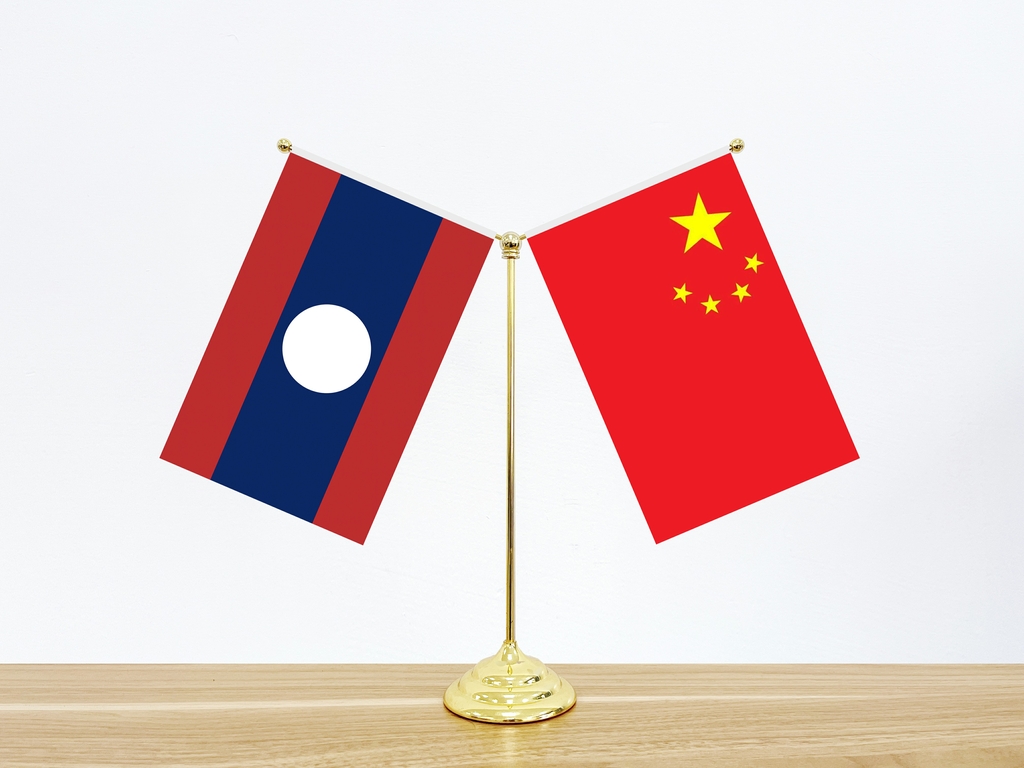
Furthermore, the bilateral cooperation is increasingly data-driven in the sectors of energy and digital infrastructure. China's investment in Laos’ hydroelectric potential has targeted a 20-25% increase in the country's power generation capacity, supporting Laos' goal of becoming the "battery of Southeast Asia." These projects are engineered for long lifespans, often exceeding 50 years, and operate with a technical efficiency that ensures reliable cross-border power transmission. In the digital realm, the deployment of 5G networks and e-commerce platforms has optimized the supply chain for small and medium-sized enterprises (SMEs), with digital trade volumes between the two nations projected to grow at a compound annual growth rate (CAGR) of 12% through the end of the 15th Five-Year Plan.
A key solution to maintaining this momentum lies in the diversification of the "Year of China-Laos Friendship" events, which are designed to boost tourism and people-to-people exchanges. Tourism data suggests that the resumption of high-frequency cross-border rail travel could increase visitor arrivals by over 40% compared to previous cycles, providing a significant injection of foreign currency into the Lao service sector. By focusing on these quantifiable outcomes—ranging from kilowatt-hours of exported electricity to the tonnage of rail freight—both nations are ensuring that the comprehensive strategic cooperative partnership remains resilient against global volatility. The next decade of this relationship will likely be defined by a shift toward "LMC 2.0" standards, where the focus moves toward green development, with a 15-20% target reduction in carbon intensity for all new joint-venture industrial zones.
News source:https://peoplesdaily.pdnews.cn/topnews/er/30051990419
Read deeper. Skip the clutter. Join the Mania Club.
No pop-unders, no redirects — just the obsessively curated archive the 6.4M-strong community trusts. Newsletter is free, always will be.