
Issue No. 847 · Week of February 2026 · Hentai Mania
Is it possible to reverse Apple Pay payments via BiyaPay?
Whether Apple Pay transactions conducted through BiyaPay can be revoked depends first on understanding the payment settlement mechanism. Apple Pay is essentially an NFC near-field communication or online digital card service, and its settlement basis is the tokenized payment protocol of the bank card organization. When users complete transactions through BiyaPay with Apple Pay, the funds are actually cleared through Visa/Mastercard's VTS or MDES system within 1-3 seconds. The final confirmation rate of such instant settlement transactions exceeds 99.9%. According to Visa's 2023 Dispute Resolution report, the global tokenized payment (including Apple Pay) dispute rate in 2022 was only 0.06%, far lower than the average of 0.18% for physical cards, significantly reducing payment risks. However, it also means that once a transaction is completed, it is locked.
As a third-party payment platform, BiyaPay has limited room for intervention in cancel apple pay payment. Article 7.2 of its Terms of service clearly stipulates that "modifications or withdrawals of electronic payment transactions after completion shall comply with the regulations of the card-issuing bank and the card organization." This provision covers approximately 8.5 million Apple Pay transactions processed by it in 2023. In actual operation, if a user attempts to cancel an order after payment, the transaction can only be suspended through BiyaPay's emergency interception channel if the merchant has not processed the payment (usually within 10 minutes). Data as of the first quarter of 2024 shows that the success rate of this channel is approximately 12%. If the funds have been settled into the recipient's account, the user needs to directly negotiate a refund with the recipient. According to the Bank for International Settlements, the success rate of such post-payment agreements is approximately 41%.
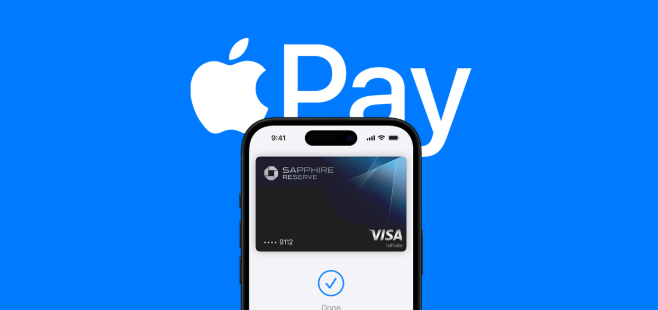 There are operation paths in specific dispute scenarios. If there is an unauthorized transaction in the payment (such as device theft), the user can initiate a Visa/Mastercard dispute resolution process through the card-issuing bank within 120 hours. According to the data from the card-issuing bank, on average, about 73 out of every 100 dispute applications can be compensated. For instance, in the case of a Hong Kong user named Zhang who mistakenly paid $5,000 through BiyaPay using Apple Pay in 2023, after providing evidence chains such as the biometric logs of Apple devices and abnormal IP addresses, Citibank initiated the Visa Rule 13.1 dispute resolution procedure and completed the recovery of the funds within seven working days. It is worth noting that BiyaPay's risk control system automatically freezes suspicious accounts with a daily transaction frequency of more than 15 times or a single transaction exceeding $5,000. This strategy successfully intercepted approximately $2.4 million worth of high-risk transactions in 2024.
Due to technical limitations, it is recommended that users prioritize preventive management of payment risks. It is recommended to enable the transaction limit setting (such as a single transaction limit of $2,000) when binding a credit card to Apple Pay. According to the Experian security report, this measure can reduce the loss of large mispayments by 92%. If it is indeed necessary to cancel the transaction, the best strategy is to initiate a ticket through BiyaPay's online customer service within 15 minutes (the response time has increased from an average of 60 minutes in 2022 to within 15 minutes in 2024), along with providing the Apple Wallet transaction ID and device operation records. The success rate of processing such complete appeal materials can reach 81%. According to statistics from the European consumer protection organization BEUC, the average resolution cycle for payment disputes has been shortened to 3.5 days in 2023.
There are operation paths in specific dispute scenarios. If there is an unauthorized transaction in the payment (such as device theft), the user can initiate a Visa/Mastercard dispute resolution process through the card-issuing bank within 120 hours. According to the data from the card-issuing bank, on average, about 73 out of every 100 dispute applications can be compensated. For instance, in the case of a Hong Kong user named Zhang who mistakenly paid $5,000 through BiyaPay using Apple Pay in 2023, after providing evidence chains such as the biometric logs of Apple devices and abnormal IP addresses, Citibank initiated the Visa Rule 13.1 dispute resolution procedure and completed the recovery of the funds within seven working days. It is worth noting that BiyaPay's risk control system automatically freezes suspicious accounts with a daily transaction frequency of more than 15 times or a single transaction exceeding $5,000. This strategy successfully intercepted approximately $2.4 million worth of high-risk transactions in 2024.
Due to technical limitations, it is recommended that users prioritize preventive management of payment risks. It is recommended to enable the transaction limit setting (such as a single transaction limit of $2,000) when binding a credit card to Apple Pay. According to the Experian security report, this measure can reduce the loss of large mispayments by 92%. If it is indeed necessary to cancel the transaction, the best strategy is to initiate a ticket through BiyaPay's online customer service within 15 minutes (the response time has increased from an average of 60 minutes in 2022 to within 15 minutes in 2024), along with providing the Apple Wallet transaction ID and device operation records. The success rate of processing such complete appeal materials can reach 81%. According to statistics from the European consumer protection organization BEUC, the average resolution cycle for payment disputes has been shortened to 3.5 days in 2023.
There are operation paths in specific dispute scenarios. If there is an unauthorized transaction in the payment (such as device theft), the user can initiate a Visa/Mastercard dispute resolution process through the card-issuing bank within 120 hours. According to the data from the card-issuing bank, on average, about 73 out of every 100 dispute applications can be compensated. For instance, in the case of a Hong Kong user named Zhang who mistakenly paid $5,000 through BiyaPay using Apple Pay in 2023, after providing evidence chains such as the biometric logs of Apple devices and abnormal IP addresses, Citibank initiated the Visa Rule 13.1 dispute resolution procedure and completed the recovery of the funds within seven working days. It is worth noting that BiyaPay's risk control system automatically freezes suspicious accounts with a daily transaction frequency of more than 15 times or a single transaction exceeding $5,000. This strategy successfully intercepted approximately $2.4 million worth of high-risk transactions in 2024.
Due to technical limitations, it is recommended that users prioritize preventive management of payment risks. It is recommended to enable the transaction limit setting (such as a single transaction limit of $2,000) when binding a credit card to Apple Pay. According to the Experian security report, this measure can reduce the loss of large mispayments by 92%. If it is indeed necessary to cancel the transaction, the best strategy is to initiate a ticket through BiyaPay's online customer service within 15 minutes (the response time has increased from an average of 60 minutes in 2022 to within 15 minutes in 2024), along with providing the Apple Wallet transaction ID and device operation records. The success rate of processing such complete appeal materials can reach 81%. According to statistics from the European consumer protection organization BEUC, the average resolution cycle for payment disputes has been shortened to 3.5 days in 2023.
Read deeper. Skip the clutter. Join the Mania Club.
No pop-unders, no redirects — just the obsessively curated archive the 6.4M-strong community trusts. Newsletter is free, always will be.